Source Feed Grade Calcium Formate Acidifier for Poultry, Livestock, and Cement
Find 30 feed grade calcium formate acidifier options from China. Compare specifications including 98-99.9% purity, ISO certification, and 25kg bag packaging for poultry, livestock, and water treatment applications; compare the available evidence and request quotations based on your requirements.
Key considerations
Products List




Comprehensive Sourcing Guide
Feed Grade Calcium Formate Acidifier Sourcing Guide
Procurement professionals must first distinguish between feed-grade acidifiers and industrial-grade variants, as the supplied data reveals a split in product models ranging from "Feed-Grade" to "Industrial Grade." While some listings explicitly target poultry and livestock applications, others are categorized under water treatment chemicals or cement setting accelerators, indicating a need for rigorous filtering before engagement. Buyers should verify that the specific product model selected aligns strictly with animal feed regulations rather than general industrial utility to ensure regulatory compliance in the final application.
The observed market signals indicate a wide variance in purity claims, with listings citing 98%, 99%, and 99.9% purity levels alongside specific CAS numbers like 544-17-2. This variation suggests that buyers must not assume uniform quality across all suppliers offering the same chemical name. Instead, procurement teams should request batch-specific certificates of analysis to confirm that the actual purity matches the advertised specification, ensuring the product meets the nutritional and safety thresholds required for animal consumption.
Product Scope and Observed Listing Signals
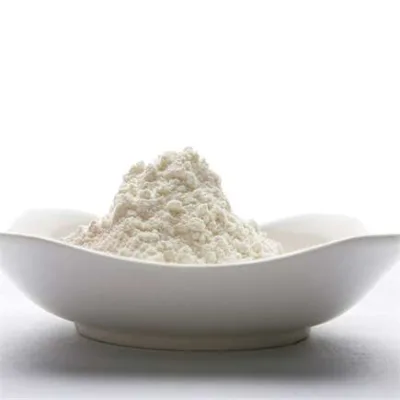
Buyers should analyze the physical appearance and packaging formats to ensure logistical compatibility with their existing storage and handling infrastructure. The data shows products listed as white powder with packing options ranging from 25kg bags to bulk 1100kg configurations, which directly impacts warehouse space requirements and material handling equipment needs. Selecting the appropriate packaging size is a critical decision that balances inventory turnover rates against the cost of storage and the risk of product degradation over time.
It is essential to recognize that the same chemical identifier, such as CAS 544-17-2, appears under different functional descriptions, including amino acid additives and mineral classifications. This inconsistency in listing attributes requires buyers to scrutinize the "Applied animal classification" field to confirm suitability for specific livestock types like poultry or general livestock. Misinterpreting these functional labels could lead to the procurement of a product intended for industrial use rather than the intended feed application, potentially causing regulatory or safety issues.
Technical Specifications to Verify
Verification of the pH value is a primary technical step, as the supplied facts indicate a specific range of 6.5 to 7.5 for a 10% solution, which is critical for maintaining the desired acidity in animal feed systems. Buyers must ensure that the supplier provides test results confirming this pH range, as deviations can alter the efficacy of the acidifier in gut health management or feed preservation. This parameter serves as a key differentiator between high-quality feed-grade products and those that may be unsuitable for biological applications.
Solubility characteristics and particle size distribution are equally vital for ensuring uniform mixing within feed formulations. The data notes that the product is readily soluble in water and available as standardized powder, yet buyers should confirm the specific particle size metrics to prevent segregation or clumping during the mixing process. Confirming these physical properties ensures that the acidifier disperses evenly throughout the feed batch, delivering consistent performance and preventing localized over-acidification that could harm animal health.
Compliance and Safety Documentation
Documentation regarding ISO certification is a baseline requirement, as the provided facts explicitly list ISO as a certification standard for several product listings. However, buyers must verify that the specific ISO certificate covers the manufacturing of feed-grade materials and is current, rather than accepting a generic certification that might apply to other industrial divisions of the supplier. This verification step ensures that the production facility adheres to recognized quality management systems specifically relevant to food and feed safety.
Safety data sheets and EINECS registration numbers, such as 208-863-7, must be cross-referenced with local regulatory databases to confirm legal import and usage status. The presence of these identifiers in the listing signals a level of regulatory awareness, but buyers should not assume automatic compliance with all destination country regulations. Procurement teams must request the full safety documentation package to validate that the product meets all specific import requirements and safety standards for the intended market.
Cost Drivers and Commercial Terms
The observed price range of 0.1 to 610 USD highlights significant cost variability driven by purity levels, packaging formats, and order volumes. Buyers must understand that the lowest price points often correspond to lower purity grades or smaller sample quantities, while bulk industrial-grade orders may command higher unit costs due to stricter quality controls. Analyzing the cost per unit of active ingredient rather than the total invoice price is essential for making an accurate economic comparison between different suppliers.
Minimum Order Quantities (MOQ) ranging from 1 to 10,000 units create distinct financial implications for small-scale versus large-scale operations. Buyers should negotiate terms that align with their production cycles, considering that higher MOQs may offer better unit pricing but increase inventory holding costs. It is crucial to clarify whether the supplier offers flexible packaging options, such as the 25kg/1200kg bag configurations mentioned, to optimize cash flow and reduce waste for orders that do not match standard bulk sizes.
Supplier Qualification and Quality Control
Supplier qualification should prioritize those who explicitly support sample testing, as the data confirms that samples are available for evaluation. This capability allows buyers to conduct independent laboratory analysis to verify claims regarding purity, pH, and solubility before committing to a large-scale purchase. Relying solely on supplier-provided data without independent verification introduces significant risk, making the sample support feature a critical component of the supplier selection process.
Quality control protocols must be validated through the supplier's ability to provide consistent batch-to-batch performance data. The listing mentions a "Customization" attribute, which implies flexibility in production, but buyers must ensure that custom orders do not compromise the standard quality parameters required for feed applications. Establishing a clear quality agreement that defines acceptable tolerances for purity and physical properties is necessary to maintain product consistency over the long term.
Long-Term Procurement Checks
Establishing a reliable supply chain requires monitoring the supplier's ability to maintain consistent lead times and stock availability, especially given the diverse origin locations like Shandong, China. Buyers should assess the supplier's logistics capabilities to ensure they can meet delivery schedules without interruption, as delays in feed ingredient supply can disrupt entire production cycles. Regular audits of the supplier's inventory management and shipping performance are necessary to mitigate the risk of supply chain disruptions.
Continuous performance monitoring should include periodic re-testing of incoming batches to ensure that the product continues to meet the initial specifications agreed upon. The data indicates that storage conditions are a factor, so buyers must verify that the supplier maintains appropriate storage environments to prevent degradation during transit and warehousing. Implementing a long-term quality assurance program that includes random sampling and testing helps maintain the integrity of the feed product throughout its lifecycle.
FAQs
How is feed grade calcium formate used as an acidifier in poultry and livestock feed?
Feed grade calcium formate works as an acidifier by lowering gut pH, supporting digestion in poultry and livestock. It is typically blended into finished feed at inclusion rates set by the nutritionist's formulation. Because it is supplied as a white powder with standardized particle size, it mixes evenly with other feed ingredients during batching.
What packaging options are available for feed grade calcium formate orders?
Listed packaging includes 25kg bags, 1100kg and 1200kg jumbo bags, with standard or customized packaging also available. Small 25kg bags suit manual dosing and trial batches, while bulk bags reduce handling for larger feed mills. Buyers should confirm bag weight, palletization, and labeling requirements with the supplier before placing an order.
Which purity and specifications should buyers confirm before purchasing calcium formate?
Listed grades range from 98% to 99% and 99.9% purity, sold as a white powder. Confirm the CAS number 544-17-2, the molecular formula C2H2CaO4, and a pH of 6.5 to 7.5 in a 10% solution. Request a certificate of analysis matching the grade and specification stated on the product page.
Can suppliers provide samples before committing to a bulk feed grade calcium formate order?
Sample support is listed as available, so buyers can request material for feed trials before committing to full volumes. Use the sample to verify appearance, solubility in water, and mixing behavior in your own formulation. Agree on who pays freight and how sample results lead into a commercial order or customization.
What certifications and quality documentation should feed grade calcium formate carry?
ISO certification is listed for the product, and feed-grade classification indicates suitability for animal nutrition applications. Ask suppliers for a certificate of analysis per batch, plus documentation confirming the feed-grade model and storage guidance. Buyers exporting to regulated markets should verify any additional feed-safety registrations independently with the supplier.
How does calcium formate compare with other acidifiers for livestock applications?
Calcium formate is a calcium organic salt that provides formic acid activity while also contributing calcium, unlike purely liquid acidifiers. It is a dicarboxylic-acid-derived, unsaturated-acid-class product supplied as a readily water-soluble powder. This makes dosing and dry blending simpler, though comparative performance depends on your species, diet, and formulation targets.
How should feed grade calcium formate be stored after delivery?
Storage guidance is listed as available, and the powder form should be kept dry, sealed, and away from moisture because it is readily soluble in water. Use original 25kg or bulk bag packaging with liners intact, and rotate stock on a first-in, first-out basis. Confirm detailed shelf-life terms with the supplier.
Can feed grade calcium formate be customized for specific buyer requirements?
Customization is listed as available, covering specifications and packaging under standard or customized terms. Buyers can discuss purity grade, particle size, bag weight, and labeling to match their feed mill's handling systems. Confirm any customized requirements in writing with the supplier, including agreed specifications and acceptance criteria before production begins.